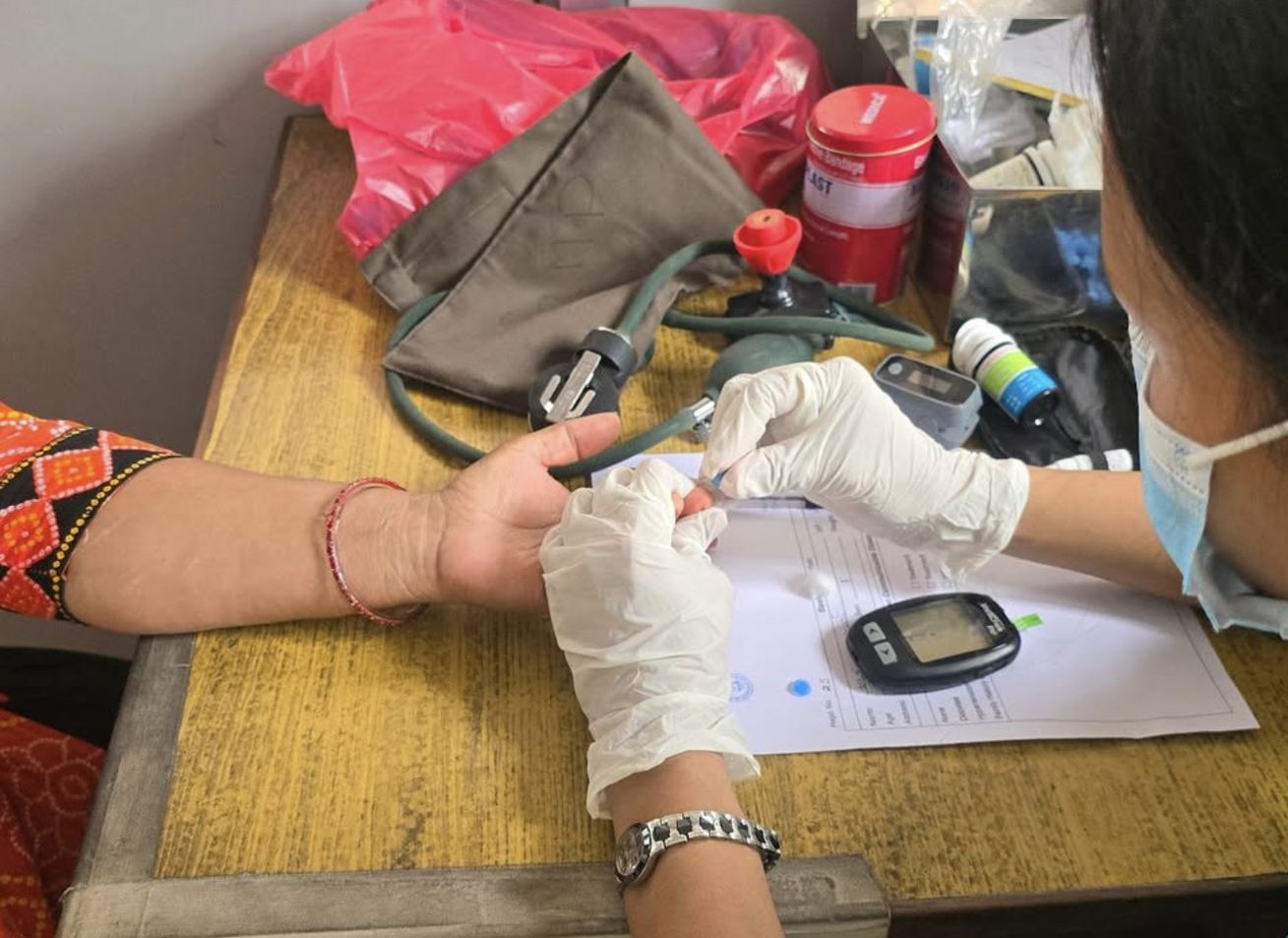
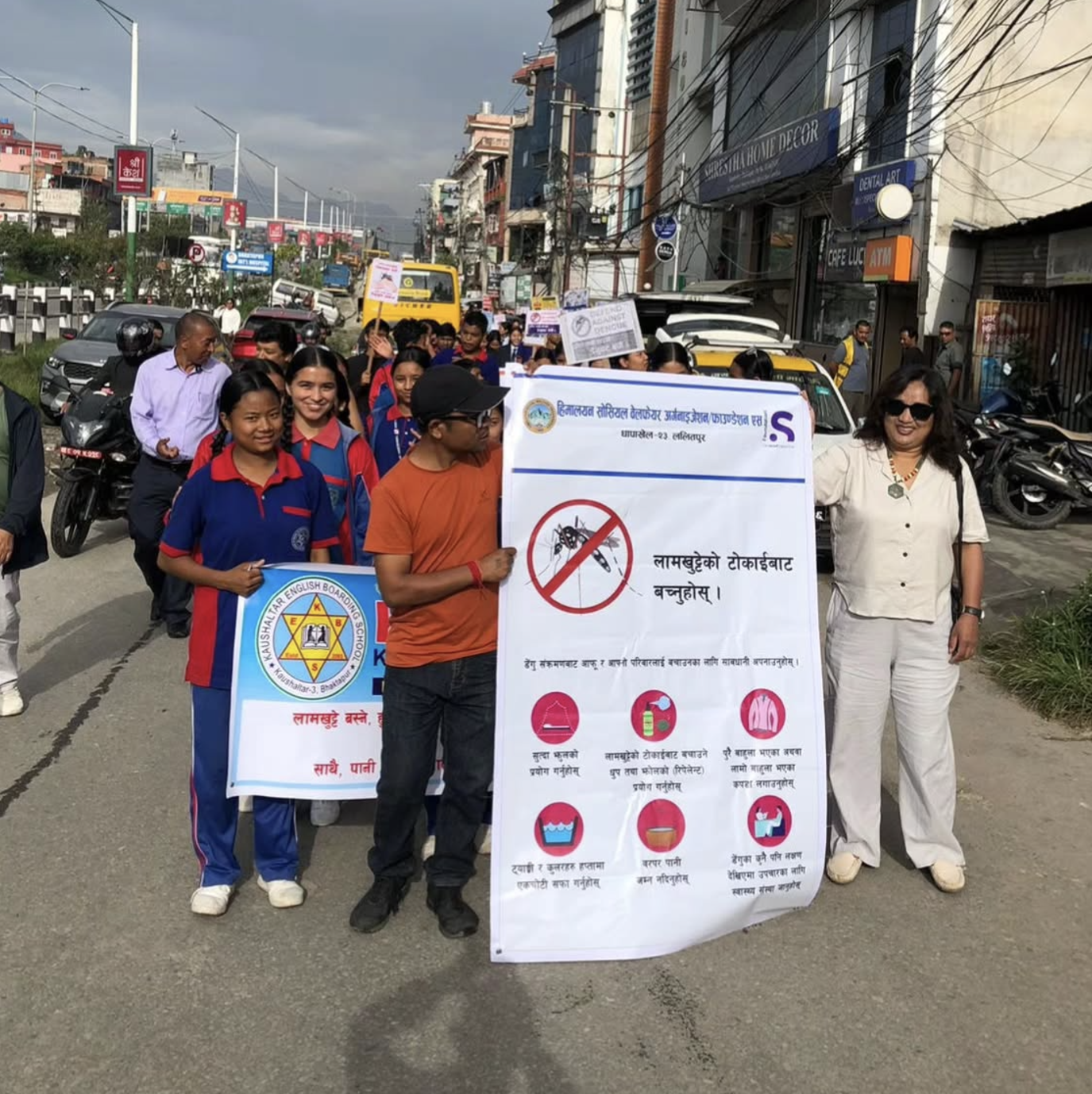
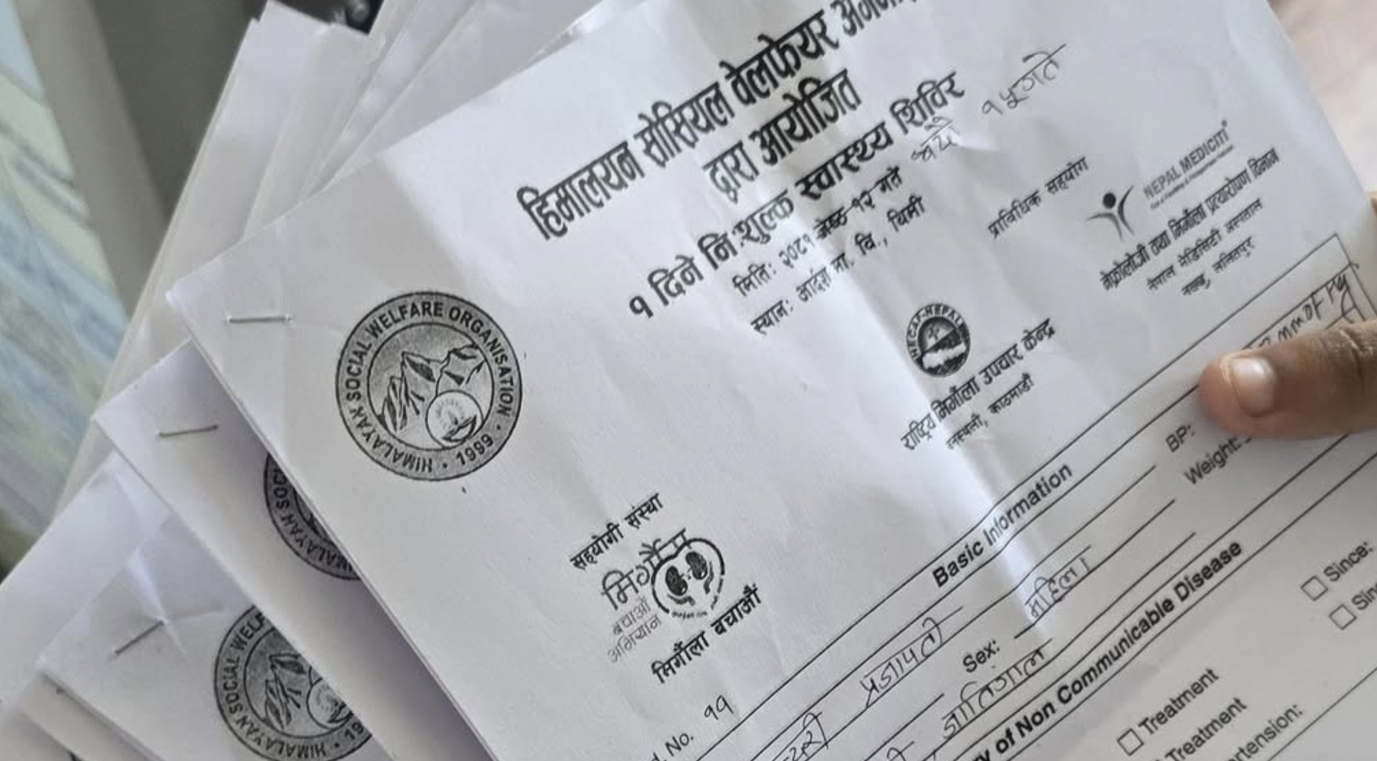
The Himalayan Social Welfare Organization is deeply committed to addressing the pressing issue of climate change and its profound impact on lives and livelihoods. As part of our ongoing efforts, we have embarked on a comprehensive project to evaluate and understand the intricate dynamics at play within affected communities.
Utilizing the Knowledge, Attitude, and Practice (KAP) approach, our project aims to identify the critical knowledge gaps, sociocultural beliefs, and behavioral patterns that exist within these communities. This ex-ante evaluation is crucial in pinpointing what the communities currently do not know, what they think, and how they behave in relation to climate change and its associated health outcomes.
Our KAP study has revealed significant insights into the literacy levels and awareness related to health issues and climate change among these communities. It has become evident that various community issues, such as caste division and poverty, have played a substantial role in hindering their progress and adaptation efforts. These social and economic barriers have contributed to a lack of awareness and understanding, making it even more challenging for these communities to cope with the adverse effects of climate change.
In addition to assessing the general populace, we are also conducting KAP research with frontline health providers. This initiative is designed to gauge their knowledge, attitudes, and practices concerning climate change and health outcomes. By involving these key stakeholders, we aim to enhance their capacity to address the unique challenges posed by climate change, thereby improving the overall health and well-being of the communities they serve.
At the Himalayan Social Welfare Organization, we believe that empowering communities with the right knowledge and tools is essential for fostering resilience and promoting sustainable development. Through our KAP research and subsequent interventions, we are dedicated to bridging the knowledge gaps, challenging sociocultural misconceptions, and encouraging positive behavioral changes. Our ultimate goal is to ensure that every individual, regardless of their social or economic standing, has the opportunity to thrive in the face of climate change.
Join us in our mission to create a more informed, resilient, and equitable society. Together, we can make a lasting impact on the lives and livelihoods of those most affected by climate change.
The Himalayan Social Welfare Organization has a strong commitment to dealing with this ongoing and felt area of climate change; a change that really affects lives and livelihoods deeply. As part of our continued efforts toward that end, it was only recently that we initiated a project of such comprehensiveness: the project of evaluation and understanding of the intricate dynamics at play within affected communities.
Using the Knowledge, Attitude, and Practice approach, the latter effort will identify the critical knowledge gaps, the sociocultural beliefs, and the behavioral patterns expected within these communities. It is hence, an ex-ante assessment that helps to discover the non-knowledge and practices of the communities, what they believe, and how they behave regarding climate change and its associated health outcomes.
Enumerated below are the key findings of the KAP in regard to health issues and climate change-related literacy and awareness. This becomes evident that many issues at their community level, such as blame, differentiation in terms of caste, and poverty, have played a large role in proving to be a barrier for their progress and adaptation activities. Social and economic barriers combined have reduced the level of knowledge and understanding in these communities, thus making it still harder to brace for the negative effects of climate change.
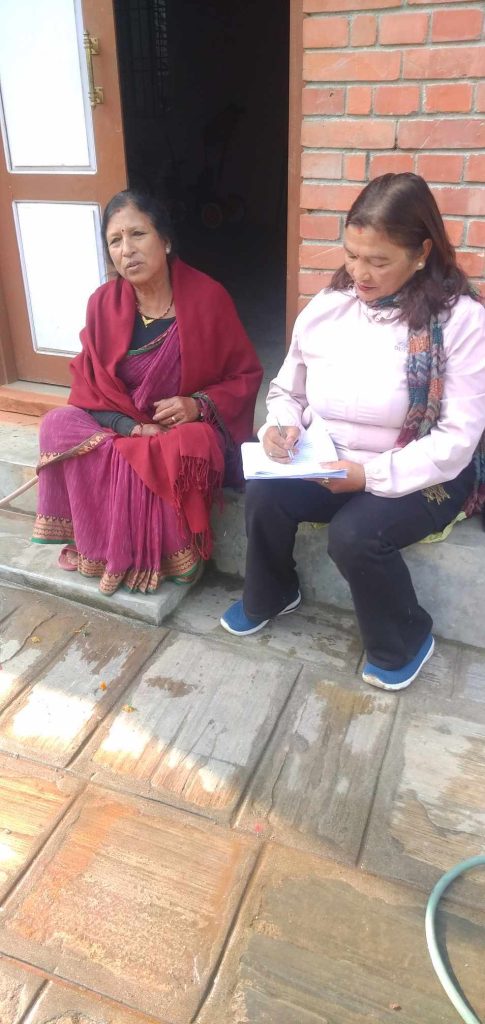
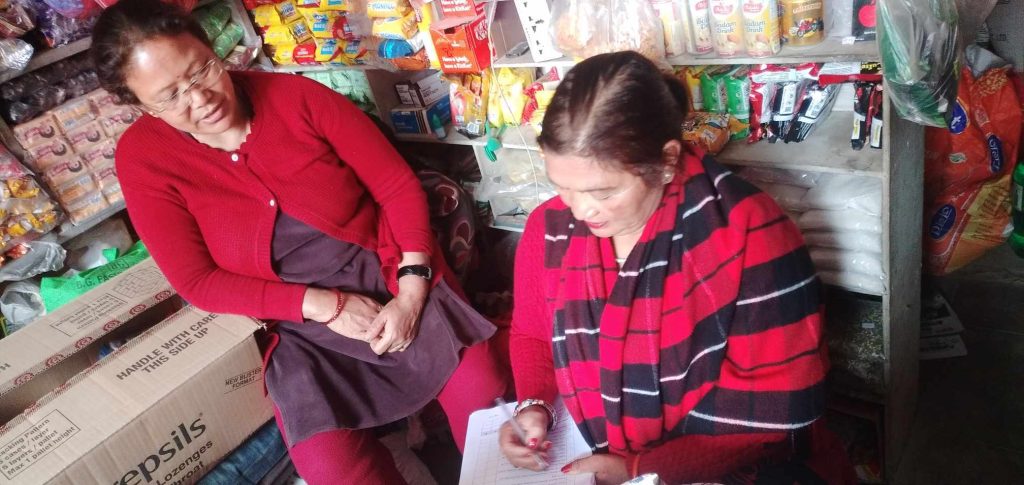
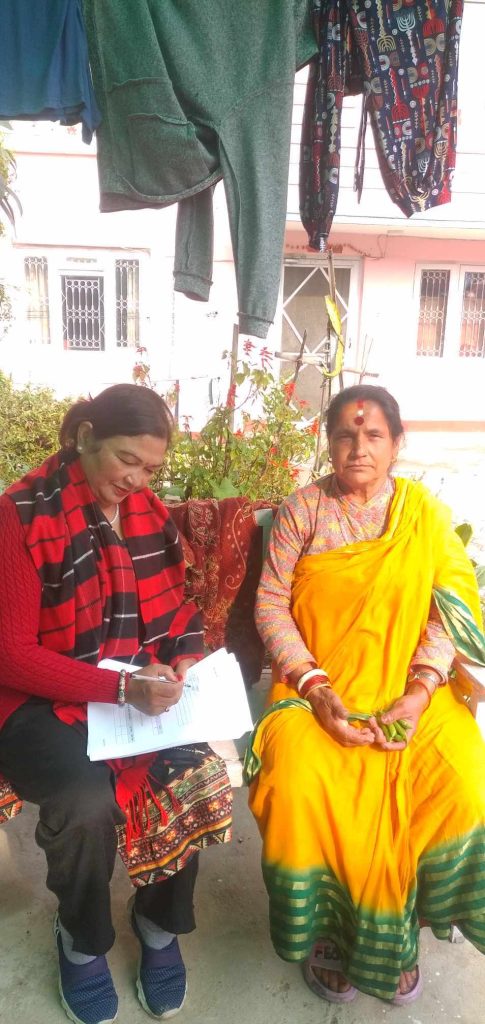
Concurrently with this public awareness survey, we are also conducting KAP research with frontline health providers to assess their knowledge, attitude, and practice in relation to the impact of climate change on health. Involving the key stakeholders will lead to the increase of their capacities in addressing the special problems that climate change poses, which will subsequently result in better health and well-being among the communities they consider.
For us at Himalayan Social Welfare Organization, giving real knowledge and tools to communities can empower them and lead toward resilience in the face of and toward sustainable development. It is through our KAP research and the following interventions that we will dedicate ourselves to bridging such knowledge gaps, challenging the sociocultural misconceptions, and encouraging positive behavioral change. Our ultimate aim is to make every person, irrespective of social or economic standing, capable of thriving in the face of climate change.
Join us, therefore, with this nation-building mission toward the making of a more informed, resilient, and just society. Together, we can really make a difference and change the lives and livelihoods of the most affected people by climate change.